Automatic Opener for an Existing Iron Gate in Carlsbad
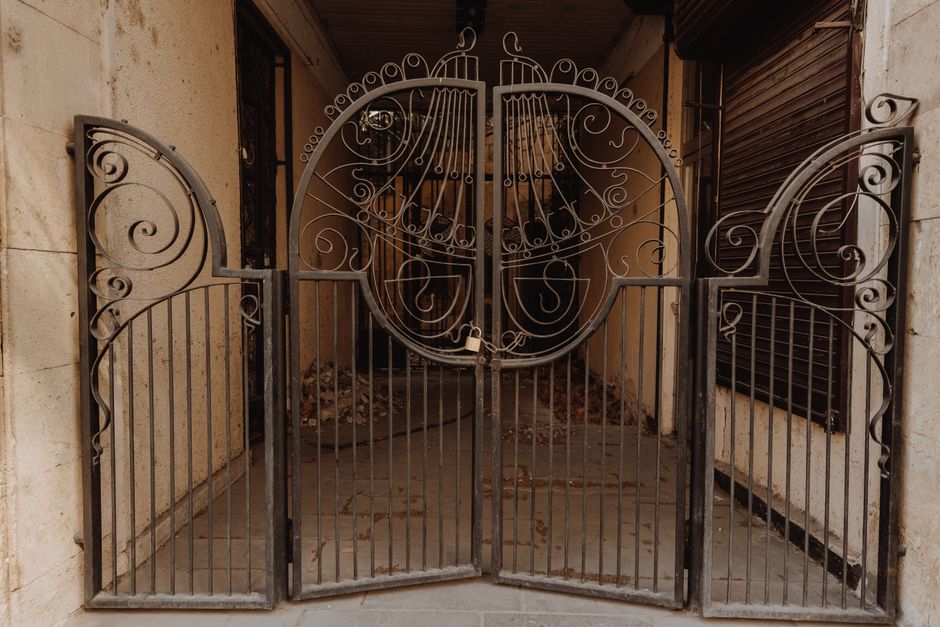
Most existing ornamental iron gates in Carlsbad can take an automatic opener, but the answer depends on the gate you already have, not on the opener you want. Posts, hinges, slope, and coastal corrosion decide whether the conversion lasts a decade or fails in a season. Checking those four things before buying anything saves the most money and frustration.
Start With the Hand Test

Open and close the gate slowly by hand. It should move with light, even effort through its whole arc. If it binds, drags, or has a heavy spot, fix that first. An opener amplifies existing problems; it does not cure them. Automating a sticky gate just gives the motor the job of fighting friction every day until the gearbox gives up.
Sag is the most common culprit. Measure the gap under the latch end and compare it to the gap at the hinge end. A gate that drops at the free end will scrape, strain the operator, and stop short of its true closed position. Sag usually traces back to one of three causes: worn hinges, a weak post, or a frame that has racked out of square. Each has a different repair, and none of them is solved by bolting on an arm.
Inspect the Hinge Post

An operator pushes and pulls on the post every time the gate cycles. That repeated force is harder on a post than a person swinging the gate now and then. Grab the gate and shake it. If the post moves, it needs reinforcement or replacement before any bracket goes on.
Different post types raise different concerns:
- Thin hollow tube posts can flex under operator load, which changes the gate's travel over time.
- Masonry or stucco pillars need solid anchoring into the core. Ordinary surface fasteners into stucco or veneer will not hold, so the bracket has to reach structure behind the finish.
- Wide pillars may force a different arm style, since the hinge can sit far from the face where the operator needs to mount.
Look for Hidden Rust
Tap along the bottom rail and at the joints where pickets meet rails. Iron that has rusted from the inside can look sound and still crack under the new load at a bracket. Older gates close to the coast are the most likely to hide this, so it is worth a careful look before drilling anything.
Match the Operator to the Gate
Operators are rated by gate weight and leaf length. A long leaf needs more capacity even when it is light, because it multiplies the leverage against the arm. Weigh or estimate the gate, measure each leaf's width, and choose from there. A bigger, more powerful operator is not automatically the better choice, but an undersized one on an oversized leaf wears out its motor and gearbox early.
Common swing gate styles include:
- Linear actuators, a piston style arm, which suit many residential iron gates.
- Articulated arms, which work where the post is wide or the hinge sits far from the pillar face.
- Underground operators, which hide below the hinge but need a buried housing with good drainage.
Slide gates use a different setup entirely, with a track or cantilever and a separate operator type. A swing gate cannot simply be converted to slide operation with a different motor.
Slopes and Clearance in Carlsbad
Many driveways here rise or fall from the street, especially in hillside areas such as La Costa and parts of Rancho Carrillo. A leaf that swings uphill can hit the pavement. Walk each leaf through its arc by hand and watch the bottom rail. If clearance is tight, the options include rising hinges, opening the gate outward, or switching to a slide gate.
Also confirm the gate can open fully without meeting cars, walls, landscaping, or trash bins. An automatic gate does not pause for an obstacle the way a person would unless sensors are installed and working.
Safety Hardware Is Not Optional
The operator's built in force sensing is a backup, not a substitute for proper entrapment protection. A sound setup includes photo eye sensors across the opening, plus contact edges or a second set of eyes anywhere a person could be caught between the gate and a wall or post.
Two pinch points deserve special attention:
- The hinge side of a swing gate, where the leaf and post close like scissors. Keep children away and consider guards or panels to reduce exposure.
- Open picket slide gates, where a hand or arm can reach through and be drawn toward the roller or end post. Fine mesh or a solid panel on the lower section and along the travel path reduces the risk.
Every automated gate also needs a working manual release for power outages and motor failures. Find it, learn how it works, and test it before the day you need it.
Power: Hardwired or Solar
Hardwired low voltage from the house is the most reliable choice. Solar is workable in Carlsbad's mild climate, but marine layer mornings and a shaded mounting spot cut charging. If solar is the plan, size the panel and battery for gray weeks rather than sunny ones, and add battery backup either way.
Salt Air Changes the Hardware List
Homes near the beaches and the lagoons, including Batiquitos, Agua Hedionda, and Buena Vista, see faster corrosion on brackets, fasteners, and operator housings. Stainless or hot dip galvanized hardware helps, and sealed or well gasketed enclosures are worth seeking out. Neither is immune to salt air, so expect to inspect them over time.
Drilling the gate for brackets breaks the paint or powder coat. Prime and seal every new hole, cut edge, and weld right away. Rust on coastal iron typically starts at these breaks and creeps under the surrounding finish.
Small Details That Prevent Big Failures
- Sprinklers: Keep heads off the operator and control box. Overspray carries minerals, corrodes terminals, and can short boards.
- Ants: They commonly nest in warm gate control boxes in Southern California. Plug cable entry points and check inside periodically.
- Stops and locks: A positive stop keeps leaves from overtraveling and stressing the arm. An electric or magnetic lock helps hold leaves closed, which matters in Santa Ana wind events, especially if the iron has privacy panels that catch wind. An automatic gate is not secure on its own without a lock or stop.
- Access controls: Plan for remotes, a keypad, a phone app, or an intercom, plus a free exit loop or sensor so departing cars do not need a remote. Mount keypads where a driver can reach them without leaving the car or sitting in the gate's path.
HOA Review Comes First
In communities such as Aviara or La Costa, check with the association before choosing equipment. Many have architectural review for visible exterior changes, and approval can affect operator style, color, or keypad placement. Getting that answer early avoids buying an operator that has to be returned.
Keeping It Working
Once the opener is in, a short routine keeps it dependable:
- Monthly: Test the safety reversal. Place a sturdy object, such as a cardboard box, in the gate's path. The gate should stop and reverse. If it does not, stop using the automatic function until it is serviced.
- Every few months: Wipe the photo eye lenses. Coastal fog and dew leave salt and grime films that cause false triggers or missed detections.
- Yearly: Lubricate the hinges and check fasteners. Tighten loose bolts at the operator brackets, since vibration loosens them and a loose bracket changes the gate's travel. On slide gates, also clean the track and rollers.
An existing iron gate that swings freely, hangs square, and sits on a solid post is a good candidate. One that fails any of those checks is still often salvageable, but the repair comes first and the opener second.